
Every Step Counts: How Gait Analysis Enhances Performance and Prevents Injury
Running may seem like a simple, natural movement—but every stride involves a complex series of motions that can either support or sabotage performance. This gait analysis for runners in Boise offers a deeper understanding of how their body moves, uncovering inefficiencies or imbalances that could lead to injury or hold them back from reaching their full potential. It’s a tool used by professionals and everyday runners alike to refine technique, optimize form, and ensure that each step is working with the body, not against it.
At its core, gait analysis is a detailed assessment of how a person walks or runs, typically performed using high-speed video, motion sensors, or pressure plates. This advanced technology captures the movement of joints, foot strike patterns, stride length, cadence, and alignment. For runners, this information is invaluable. It helps identify subtle mechanical issues that might not be obvious during a casual run but can contribute to chronic pain, fatigue, or performance plateaus over time. Everything from pronation to hip rotation gets examined, providing insight that can transform the way someone trains and competes.
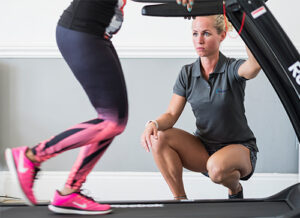
One of the most important reasons runners turn to gait analysis is injury prevention. Many overuse injuries—such as shin splints, IT band syndrome, plantar fasciitis, and knee pain—stem from imbalances or poor movement habits. By spotting these issues early, a physical therapist or specialist can recommend targeted exercises, stretches, or footwear changes that reduce stress on vulnerable areas. Gait analysis not only helps explain recurring injuries but also gives athletes a practical plan to correct them and prevent future setbacks.
Beyond injury management, gait analysis plays a key role in improving running efficiency. Small adjustments in posture, arm swing, foot placement, or stride timing can lead to smoother, more energy-efficient running. Over long distances, these refinements can make a noticeable difference in endurance and speed. Runners often find that by simply aligning their body mechanics more effectively, they can shave time off races or recover faster after training sessions. It’s a strategic advantage that combines science and sport in a powerful way.
Ultimately, gait analysis is about empowering runners with knowledge. It removes guesswork from training, offering clear data and expert guidance to support healthy, high-performing movement. Whether someone is preparing for their first 5K or aiming for a marathon personal best, understanding their unique gait provides the foundation for sustainable progress. With every stride aligned to their body’s natural mechanics, runners can move forward with confidence—faster, safer, and more efficiently than ever before.